GET /api/conversations/c-42/messages?before=opaque-cursor&limit=30

POST /api/conversations/c-42/messages
Content-Type: application/json

{
  "clientMessageId": "local-8f93",
  "text": "Ready for the review?"
}

GET /api/conversations/c-42/events?after=918
GET /api/conversations/c-42/messages/by-client-id/local-8f93
{
  "eventId": "evt-919",
  "conversationId": "c-42",
  "eventSequence": 919,
  "type": "message.created",
  "message": {
    "id": "m-301",
    "clientMessageId": "local-8f93",
    "senderId": "u-7",
    "sequence": 301,
    "text": "Ready for the review?",
    "sentAt": "2026-10-03T09:00:00Z",
    "version": 1
  }
}
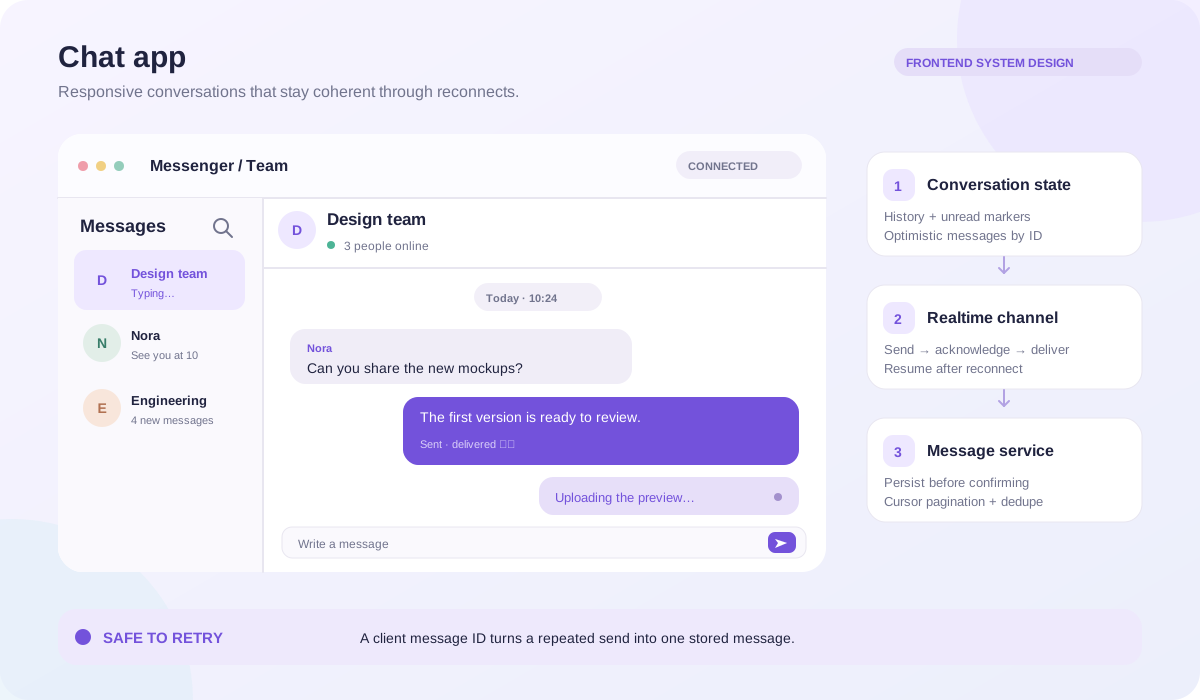
The server enforces uniqueness of the client message ID within the authenticated sender and conversation. Reusing it with the same payload returns the original message; reusing it with a different payload is a conflict. This is an application-level deduplication contract, not an automatic guarantee of POST. Define the retention window so a retry cannot silently become a second send.
Separate eventSequence, which covers durable edits, deletions, and receipts, from a message's position. History pages return opaque cursors and stable IDs. Validate event envelopes before applying them; an unknown event type should trigger a safe compatibility policy rather than corrupting the store.